In an age of technological innovation and progress businesses across the globe have witnessed a radical change in the way they operate. Major players across a variety of sectors are embracing the power of robots and automation in order to improve efficiency, streamline processes, and gain a competitive edge in the market. The heart of this shift is robotics which encompasses the development, integration, and installation of robotic solutions across a multitude of industries.
Understanding Robotics Applications
Robotics, a field of science and technology, concentrates on the development of, operation, and applications of robots. The definition of a robot is that it is a machine capable of performing tasks on its own or under the guidance of humans. They are able to perform complicated or repetitive actions in demanding environments.
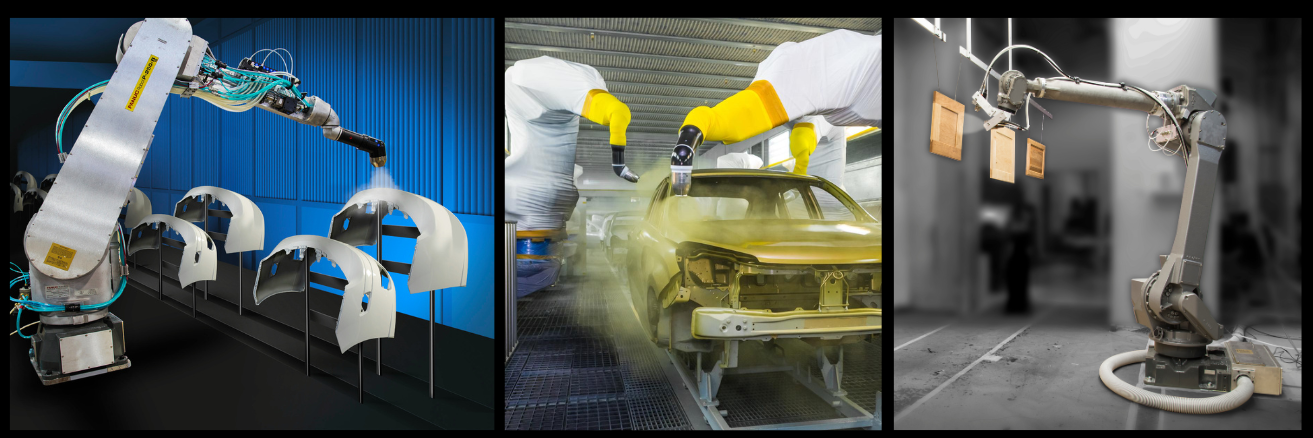
The world of robotics goes beyond simple automation. It encompasses a range of applications aiming to transform industries and enhance human lives. From healthcare and manufacturing to logistics and entertainment, robots are making their way into various fields, and presenting many possibilities for innovation.
The Rise of Automation, a Paradigm Shift
The industrial revolution of today is based on automation and robotic automation, in particular. Automated systems have dramatically altered the landscape of how businesses operate, optimizing processes and driving efficiency. Automation is about enabling machines or robots to perform tasks without human intervention, leveraging technology to improve efficiency, speed, and efficiency.
Robotic automation involves using robots for tasks that humans have traditionally performed. They can imitate human movements, making them a versatile asset across industries. For example, whether it’s to put together products on a production line or perform intricate surgeries in the field of healthcare, robots have revolutionized the way work is done.
Robotic Process Automation (RPA) is a pioneering technology for improving Efficiency
Robotic Process Automation is a subset of automation technology that makes use of robots for automating repetitive and rules-based business tasks. RPA employs robots with software (or “bots”) to carry out routine tasks, allowing employees to focus more on more strategic and intricate work.
RPA integration is now a game-changer for various industries, bringing cost-efficiency, agility, and efficiency to the business process. From to invoice processing and data entry to HR and customer service processes, RPA is reshaping workflows and elevating the overall effectiveness of businesses.
Advancing Industries with Fanuc Robots
Fanuc is an industry pioneer in robotics, and is among the most prominent players in this area. Fanuc specializes in the design and integration of robots across a range of industries. The robots of Fanuc are renowned for their durability, precision, and versatility. This makes them the top choice in a variety of sectors.
Through the integration of Fanuc robots, companies can revolutionize their operations. These robots are engineered to improve throughput, ensure the highest standards of quality, and increase overall efficiency. The innovative products of Fanuc are built with the safety of users in mind. They are designed to free employees from dangerous tasks.
Fanuc Advantage: Driving competitiveness
Fanuc robots can be a fantastic opportunity to make an impact on your competition. Integration of Fanuc robotic solutions leads to quicker return on investment (ROI) due to increased efficiency and productivity. Automating repetitive, labor-intensive tasks allows businesses to reallocate their human resources towards tasks that require creativity and solving problems.
Fanuc robotized solutions can also be customized to meet the specific needs of industries. Fanuc’s innovative approach to developing and deploying robots gives companies the ability to swiftly adjust to market shifts, remain ahead of their competitors, and achieve sustainable growth.
A peek into the Future
The robotics landscape, automation, and technology are expected to change as technology advances. The future may bring enhanced artificial intelligence, more efficient sensors, as well as increased collaboration between robots and humans which will create an improved and more efficient working environment.
The final conclusion is that the integration of automation and robotics with automation, including Robotic Process Automation, and Fanuc robots are revolutionizing industries. They are propelling them towards the future. The efficiency gains gained from robots have enabled businesses to not only survive in today’s highly competitive marketplace but also to explore new avenues of technology. As we stand at the threshold of a new era, it is clear that the use of robotics and automation will undoubtedly continue to shape the world that we live in.